





Why a precise setting matters
A properly adjusted water softener guarantees optimal comfort, controlled consumption and a longer lifespan for your equipment. Yet many Quebec homeowners don’t realize that their unit’s performance depends directly on a precise hardness setting. A poor configuration can leave water that is still too hard, or on the contrary too soft, which can affect taste, damage plumbing or waste salt needlessly. To get the full benefit of your system, it is essential to understand how to adjust this setting to the actual hardness of your water.
Know your water hardness
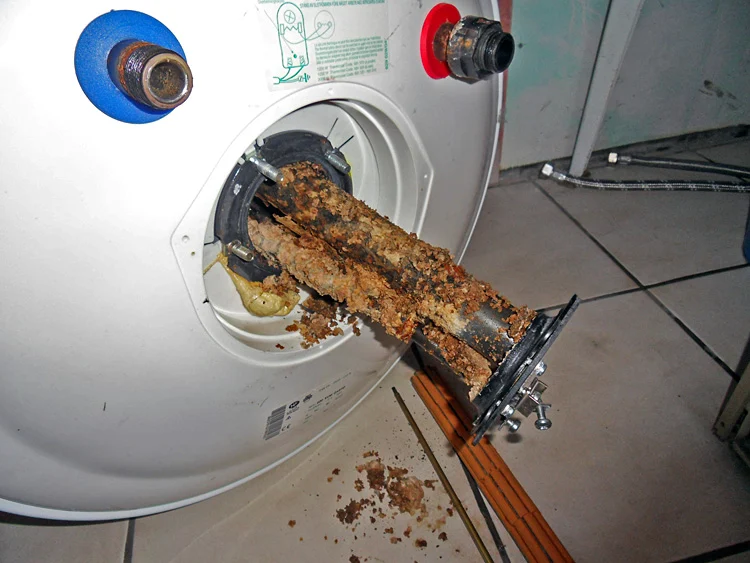
Before making any adjustment, you need to know the exact hardness of your household water. This measurement, expressed in grains per gallon (gpg) or in mg/L of calcium carbonate, varies widely from one region of Quebec to another. For example, some rural areas can exceed 200 mg/L, while others stay below 80 mg/L. To obtain this value, you need a hardness test performed by a water treatment professional or with a simple home test kit. The results then determine the value to enter in your softener, which is usually set through its electronic control panel or a mechanical dial, depending on the model.
Program the softener correctly
Once you know your water hardness, the softener must be programmed accordingly. The principle is simple: the system must regenerate its resin before it becomes saturated with minerals. Too few regenerations and the resin loses effectiveness; too many and you use more salt and water for no reason. Most modern units offer an automatic function based on the volume of water treated, but a manual setting is sometimes still needed. A good technician will find the ideal balance: a corrected hardness generally between 5 and 8 gpg, giving water that is neither too soft nor aggressive for your pipes.
Manage salt consumption
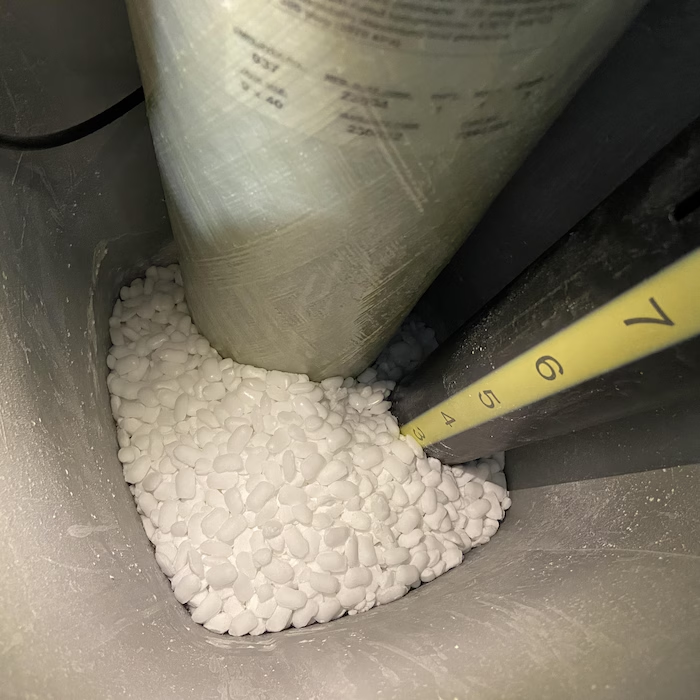
You should also keep an eye on how much salt is used for regeneration. Some users needlessly fill the tank to the top, believing that extra salt will improve performance, when it only drives up maintenance costs. Regular but moderate refills are enough. The type of salt also matters: high-quality salt pellets are purer and limit crusting and deposits in the tank. A professional can recommend the best option for your model and the ideal frequency for cleaning the tank. An annual service visit is the opportunity to check the regeneration valve, the condition of the resin and the hardness settings.
Recognize the signs of a poor setting
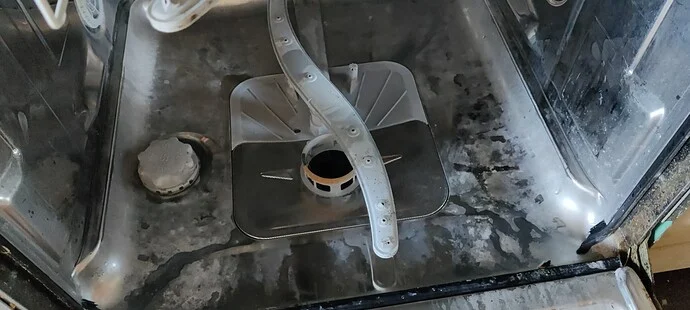
Sometimes, even with a good setting, certain signs show that an adjustment is needed: whitish spots on faucets, stiff laundry after washing, weaker water pressure, or on the contrary a lingering slippery feeling on the skin after showering. These symptoms indicate that the treated water is either too hard or over-softened. In that case, a slight change to the hardness setting on the unit is all it takes, ideally with the help of a qualified technician. A regular check every six to twelve months is strongly recommended, especially after a move, a change of water source or a marked seasonal variation in water quality.
An investment in your family’s well-being
Ultimately, setting your water softener’s hardness properly preserves your system’s performance and reduces the use of detergents and cleaning products, while maximizing the lifespan of your appliances. A well-calibrated system also delivers greater comfort: softer laundry, better-hydrated skin and hot water that heats faster. To guarantee these benefits, water treatment specialists in Quebec offer complete services: hardness testing, equipment calibration, preventive maintenance and personalized advice. Calling on an expert not only optimizes your equipment but also ensures the quality and purity of your water over the long term — a simple, smart investment in the well-being of your whole family.