




Understanding
water contaminants
Learn about the most common pollutants in Québec drinking water and how our systems can protect you from them.
Why test and filterthe water in your home?
The water that flows from your taps, whether from a private well or a municipal network, travels a long way before it reaches you. Along the way, it can pick up a range of unwanted elements. Understanding what is in your water is the first step toward truly healthy, safe hydration for your family.
Invisible to the naked eye
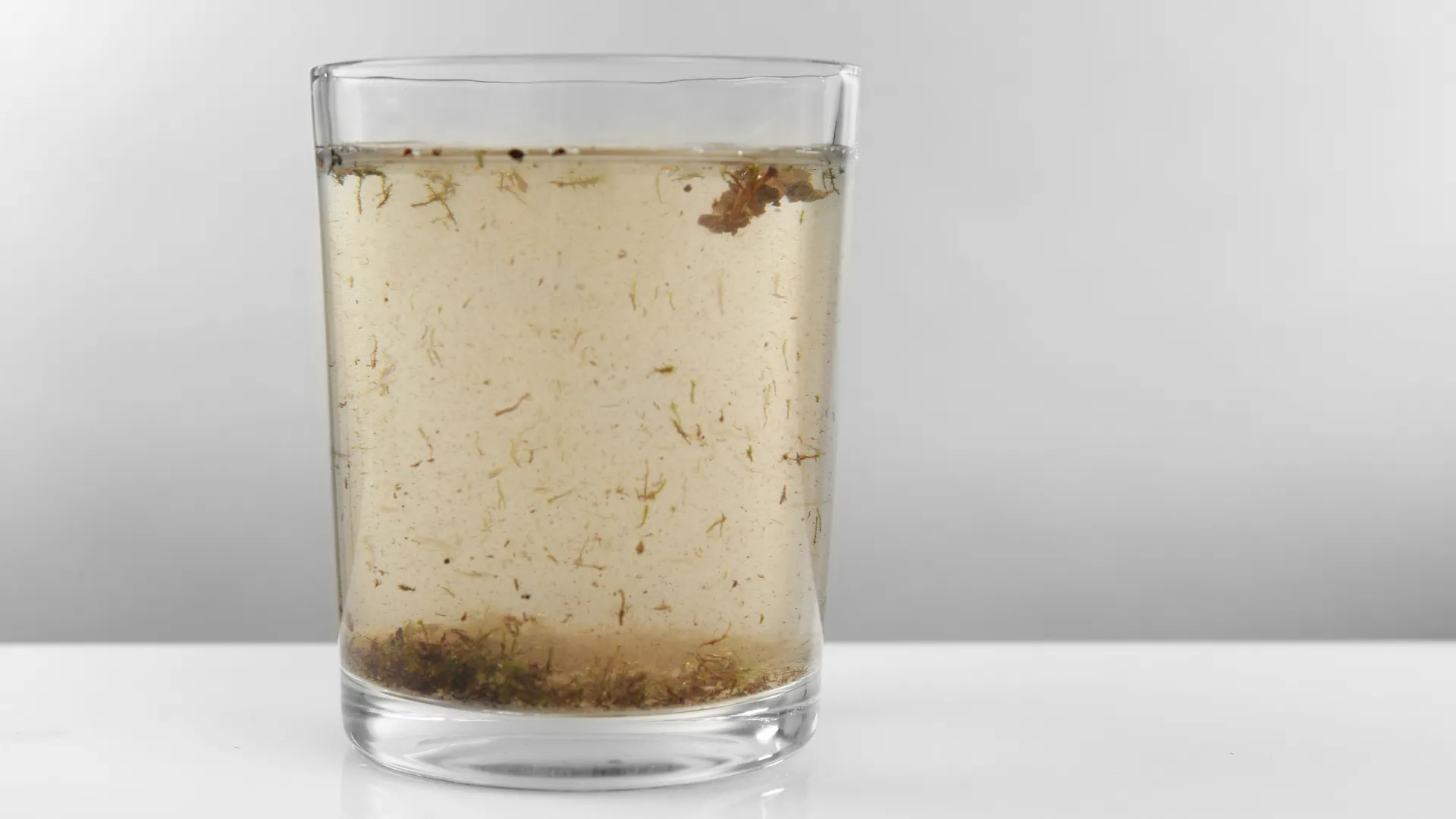
Perfectly clear water can hide dissolved minerals, chemicals or imperceptible micro-organisms.
Impact on health
Some pollutants, such as lead or bacteria, build up or act quickly, affecting your family's well-being.
Strict standards
Health Canada sets strict limits (MACs) to ensure that distributed water remains safe to drink.
Guide to the mainwater contaminants
Explore the most common pollutants, sorted by category, to understand where they come from and their impact.
Metals and heavy metals
13 itemsLead
Often leaches from old pipes and solder. Toxic even at low doses, and particularly dangerous for children's neurological development.
Arsenic
Naturally present in some rocks, it can contaminate well water. It is a known carcinogen with serious long-term health effects.
Mercury
A highly toxic heavy metal, often from industrial discharges or natural processes. Can cause serious damage to the nervous system and kidneys.
Iron and manganese
Very common in wells. Although of little danger to health, they cause stubborn stains (rust, black), cloudy water and an unpleasant metallic taste.
Copper
Usually comes from the corrosion of copper pipes. Can cause gastrointestinal problems and damage the liver at high doses.
Barium
A natural element sometimes found in groundwater. Prolonged exposure can lead to cardiovascular problems and higher blood pressure.
Aluminum
Sometimes present after municipal treatment. Although mostly removed, traces can remain.
Zinc
Often comes from the corrosion of galvanized pipes. It mainly affects the appearance and taste of water.
Cadmium
Gets in through the corrosion of galvanized pipes or industrial discharges. It builds up in the body and is very toxic to the kidneys.
Chromium (total and chromium VI)
Comes from industrial discharges (metallurgy, tanneries). Hexavalent chromium (VI) is highly carcinogenic.
Selenium
A natural element or from mining/agricultural discharges. Useful in traces, but toxic to the nervous system and circulation at high doses.
Strontium
A natural mineral. At high concentrations, it can build up in bones and interfere with bone development, especially in children.
Antimony
Used in alloys and flame retardants. Prolonged exposure can affect the heart and the gastrointestinal tract.
Micro-organisms and pathogens
6 itemsE. coli and fecal coliforms
Indicate recent fecal contamination. They cause severe gastrointestinal illness and require immediate action (boiling, UV treatment).
Total coliforms
Bacteria naturally present in the environment. Their presence indicates that the system is vulnerable to pathogens.
Giardia and Cryptosporidium
Chlorine-resistant microscopic parasites, often found in surface water. They cause serious intestinal illness.
Iron and sulphur bacteria
Non-pathogenic bacteria that create slimy sludge in plumbing and can produce foul odours.
Cyanobacteria (blue-green algae)
They thrive in lakes and rivers in summer and produce toxins that are dangerous for the liver and the nervous system.
Enteric viruses
Include viruses such as hepatitis A and norovirus. Extremely small, they require disinfection or ultra-fine filtration.
Disinfectants and by-products
6 itemsChlorine and chloramines
Used by municipalities to disinfect water. They can give water an unpleasant taste and smell, and dry out skin and hair.
Trihalomethanes (THMs)
Carcinogenic by-products formed when chlorine reacts with organic matter.
Haloacetic acids (HAAs)
Another class of chlorination by-products. Toxic to the liver and kidneys and potentially carcinogenic.
Chlorite and chlorate
By-products formed when chlorine dioxide is used as a disinfectant.
Bromate
A carcinogenic by-product generated when water is disinfected with ozone.
N-Nitrosodimethylamine (NDMA)
Forms during water treatment (often with chloramines). Highly carcinogenic.
Industrial chemicals and VOCs
8 itemsPFAS ("forever chemicals")
Perfluoroalkyl substances used in many industrial products. They build up in the environment and the body, causing various cancers.
Benzene, toluene, ethylbenzene, xylenes (BTEX)
Industrial solvents and petroleum components, often linked to leaking underground tanks. Neurotoxic and carcinogenic.
Tetrachloroethylene and trichloroethylene
Dry-cleaning and degreasing solvents. Common groundwater contaminants and probable carcinogens.
1,4-Dioxane
An industrial stabilizing solvent, extremely mobile in groundwater. A potential carcinogen.
Vinyl chloride
A component of PVC plastics that can leach from old pipes. Highly carcinogenic.
Formaldehyde
An industrial product or oxidation by-product. Highly irritating and carcinogenic.
Cyanide
Mainly from industrial discharges (mining, metallurgy). Extremely toxic in the short term.
Asbestos
Leached by the erosion of old asbestos-cement water mains. Ingestion is linked to polyps and digestive cancers.
Pesticides and herbicides
5 itemsAtrazine and glyphosate
Widely used agricultural herbicides carried by runoff. Potential endocrine disruptors.
2,4-D, MCPA, dicamba
Common selective herbicides. Long-term exposure can damage the liver and kidneys.
Chlorpyrifos, malathion, dimethoate
Neurotoxic organophosphate insecticides that can contaminate wells in farming areas.
Pentachlorophenol
A historical fungicide used to treat wood (utility poles). Highly toxic and carcinogenic.
Diquat
An aquatic herbicide used to control algae. Can cause eye and kidney damage.
Natural minerals and radiological
8 itemsScale (water hardness)
Made of calcium and magnesium. It poses no health risk, but scales up water heaters, destroys appliances and clogs pipes.
Nitrates and nitrites
Often come from agricultural fertilizers or faulty septic tanks. Very dangerous for infants (blue baby syndrome).
Hydrogen sulphide (H2S)
A dissolved gas that gives water a strong rotten egg smell. Corrosive to plumbing.
Sodium
Often added by traditional salt-based water softeners or naturally present. Something to watch for people on a low-sodium diet.
Sulphates
Give water a bitter taste and can have a temporary laxative effect on people who are not used to them.
Uranium and radon
Radioactive elements naturally present in Canadian bedrock (the Canadian Shield). They carry long-term risks of cancer or kidney damage.
Radium-226 and radium-228
Radioactive isotopes from the decay of uranium/thorium. They increase the risk of bone cancer.
Lead-210
An element of the radioactive decay chain, toxic through its radiological emissions.
Guidelines fromHealth Canada
See the complete list of Guidelines for Canadian Drinking Water Quality, including microbiological, chemical and radiological parameters.
| Contaminant | Guideline | Common sources | Health considerations |
|---|---|---|---|
| Total coliforms (2020) | MAC of none detectable per 100 mL in water leaving a treatment plant and in non-disinfected groundwater leaving the well | Human and animal feces; naturally present in water, soil and vegetation | Total coliforms are not used as indicators of potential health effects from pathogenic micro-organisms; they are used as a tool to determine the effectiveness of the water treatment system and to indicate changes in water quality in the distribution system. |
| Escherichia coli (E. coli) (2020) | MAC: none detectable per 100 mL | Human and animal feces | E. coli is an indicator of fecal contamination used as a tool to verify drinking water quality. Its detection indicates recent fecal contamination and that micro-organisms capable of causing gastrointestinal illness may also be present. Pathogens in human and animal feces pose the greatest immediate danger to public health. |
| Enteric protozoa: Giardia and Cryptosporidium (2019) Water Talk – Enteric protozoa (Giardia and Cryptosporidium) in drinking water | Treatment goal: removal and/or inactivation of at least 3 log of cysts and oocysts | Human and animal feces | Giardia and Cryptosporidium are generally associated with gastrointestinal illness (nausea, vomiting, diarrhea). Less common health effects vary. Giardia infections can include long-lasting gastrointestinal upset, malaise and malabsorption. In immunodeficient individuals, Cryptosporidium infections can have effects outside the gastrointestinal tract, including in the lungs, middle ear and pancreas. |
| Turbidity (2012) | Treatment limits for water from individual filters or units: conventional or direct filtration: ≤ 0.3 NTU; slow sand or diatomaceous earth filtration: ≤ 1.0 NTU; membrane filtration: ≤ 0.1 NTU | Naturally occurring particles: inorganic matter (clay, silt, metal precipitates); organic matter (decomposed plant and animal debris, micro-organisms) | Particles can harbour micro-organisms, shielding them from disinfection, and trap heavy metals and biocides; high or changing turbidity in filtered water can indicate a problem in the treatment process and a possible increased risk of pathogens in the treated water. |
| Enteric viruses (2019) Water Talk – Enteric viruses in drinking water | Treatment goal: reduction (removal or inactivation) of at least 4 log | Human feces | Generally associated with gastrointestinal illness (nausea, vomiting, diarrhea); less common health effects can include respiratory symptoms, central nervous system infections, liver infections and muscular syndromes. |
| Type | Contaminant | MAC (mg/L) | AO (mg/L) |
|---|---|---|---|
| P | (4-Chloro-2-methylphenoxy) acetic acid (MCPA) (2022) | 0.35 | None |
| P | 2,4-Dichlorophenoxyacetic acid (2,4-D) (2022) | 0.1 | None |
| DBP | Haloacetic acids – total (HAAs) (2008) | 0.08 ALARA | None |
| I | Nitrilotriacetic acid (NTA) (1990) | 0.4 | None |
| T | Aluminum (2021) Water Talk: Aluminum in drinking water | 2.9 | OG: 0.1 |
| I | Asbestos (1989, 2005) Asbestos in drinking water | None | None |
| I | Ammonia (2013) | None | None |
| I | Antimony (2024) Water Talk: Antimony in drinking water | 0.006 | None |
| I | Silver (1986, 2005) | None | None |
| I | Arsenic (2006) Arsenic in drinking water | 0.010 ALARA | None |
| P | Atrazine (1993) | 0.005 | None |
| I | Barium (2020) Water Talk – Barium in drinking water | 2.0 | |
| O | Benzene (2009) | 0.005 | None |
| O | Benzo[a]pyrene (2016) | 0.000 04 | None |
| I | Boron (2023) | 5 | None |
| DBP | Bromate (2018) | 0.01 | None |
| P | Bromoxynil (2022) | 0.03 | None |
| I | Cadmium (2020) Cadmium in drinking water: an update | 0.007 | None |
| I | Calcium (2025) (In: Operational parameters) | None | None |
| D | Chloramines (2020) Water Talk – Chloramines in drinking water | None | None |
| DBP | Chlorate (2008) | 1 | None |
| D | Chlorine (2009) | None | |
| DBP | Chlorite (2008) | 1 | None |
| P | Chlorpyrifos (1986) | 0.09 | None |
| I | Chloride (2025) (In: Operational parameters) | None | AO: ≤ 250 |
| O | Vinyl chloride (2013) | 0.002 ALARA | None |
| I | Chromium (2018) | 0.05 | None |
| T | Colour (1979, 2005) | None | AO: ≤ 15 TCU |
| I | Copper (2019) Water Talk – Copper in drinking water | 2 | AO: 1 |
| I | Cyanide (1979, 1991) | 0.2 | None |
| P | Dicamba (2022) | 0.11 | None |
| O | 1,4-Dichlorobenzene (1987) | 0.005 | AO: ≤ 0.001 |
| O | 1,2-Dichloroethane (2014) | 0.005 | None |
| O | Dichloromethane (2011) | 0.05 | None |
| P | Dimethoate and omethoate (2022) | 0.02 | None |
| O | 1,4-Dioxane (2021) Water Talk – 1,4-Dioxane in drinking water | 0.050 | None |
| D | Chlorine dioxide (2008) | None | None |
| P | Diquat (2022) | 0.05 | None |
| T | Hardness (2025) (In: Operational parameters) | None | None |
| O | Methyl tertiary-butyl ether (MTBE) (2006) | None | AO: ≤ 0.015 |
| O | Ethylbenzene (2014) | 0.14 | AO: ≤ 0.0016 |
| I | Iron (2024) | None | AO: ≤ 0.1 |
| I | Fluoride (2010) | 1.5 | None |
| DBP | Formaldehyde (1997) | None | None |
| P | Glyphosate (1987, 2005) | 0.28 | None |
| A | Taste (1979, 2005) | None | Inoffensive (no unpleasant taste) |
| I | Magnesium (2025) (In: Operational parameters) | None | None |
| P | Malathion (2023) | 0.29 | None |
| I | Manganese (2019) Water Talk – Manganese in drinking water | 0.12 | AO: ≤ 0.02 |
| A | Total dissolved solids (TDS) (2025) (In: Operational parameters) | None | AO: ≤ 500 |
| I | Mercury (1986) | 0.001 | None |
| P | Metribuzin (2021) | 0.08 | None |
| I | Nitrate (2013) | 45 as nitrate; 10 as nitrogen | None |
| I | Nitrite (2013) | 3 as nitrite; 1 as nitrogen | None |
| DBP | N-Nitrosodimethylamine (NDMA) (2010) | 0.000 04 | None |
| A | Odour (1979, 2005) | None | Inoffensive (no unpleasant odour) |
| O | Pentachlorophenol (1987, 2005) | 0.06 | AO: ≤ 0.03 |
| T | pH (2015) | None | 7.0-10.5 |
| I | Lead (2019) Water Talk – Lead in drinking water | 0.005 ALARA | None |
| I | Selenium (2014) | 0.05 | None |
| I | Sodium (1979) | None | AO: ≤ 200 |
| I | Strontium (2019) Water Talk – Strontium in drinking water | 7.0 | None |
| O | Per- and polyfluoroalkyl substances (PFAS) (2024) Water Talk: PFAS in drinking water | None | Objective: 0.00003 ALARA |
| I | Sulphate (2025) (In: Operational parameters) | None | AO: ≤ 500 |
| I | Sulphide (1992) | None | AO: ≤ 0.05 |
| I | Hydrogen sulphide (2025) (In: Operational parameters) | None | AO: ≤ 0.05 |
| O | Tetrachloroethylene (2015) | 0.01 | None |
| O | Carbon tetrachloride (2010) | 0.002 | None |
| O | Toluene (2014) | 0.06 | AO: 0.024 |
| O | Cyanobacterial toxins – Microcystin-LR (2017) | 0.0015 | None |
| O | Trichloroethylene (2005) | 0.005 | None |
| O | 2,4,6-Trichlorophenol (1987, 2005) | 0.005 | AO: ≤ 0.002 |
| DBP | Trihalomethanes (THMs) (2006) | 0.1 | None |
| I | Uranium (2019) Water Talk: Uranium in drinking water | 0.02 | None |
| O | Xylenes (total) (2014) | 0.09 | AO: 0.02 |
| I | Zinc (1979, 2005) | None | AO: ≤ 5.0 |
| Contaminant | Guideline | Common sources | Health considerations |
|---|---|---|---|
| Lead-210 (2025) | 0.2 | Naturally occurring (uranium decay chain) | From a health perspective, the main goal of measures to manage public exposure to ionizing radiation is to reduce the attributable cancer risk. |
| Radium-226 (2025) | 0.5 | Naturally occurring (uranium decay chain) | From a health perspective, the main goal of measures to manage public exposure to ionizing radiation is to reduce the attributable cancer risk. |
| Radium-228 (2025) | 0.2 | Naturally occurring (thorium decay chain) | From a health perspective, the main goal of measures to manage public exposure to ionizing radiation is to reduce the attributable cancer risk. |