




A necessary evil for public health
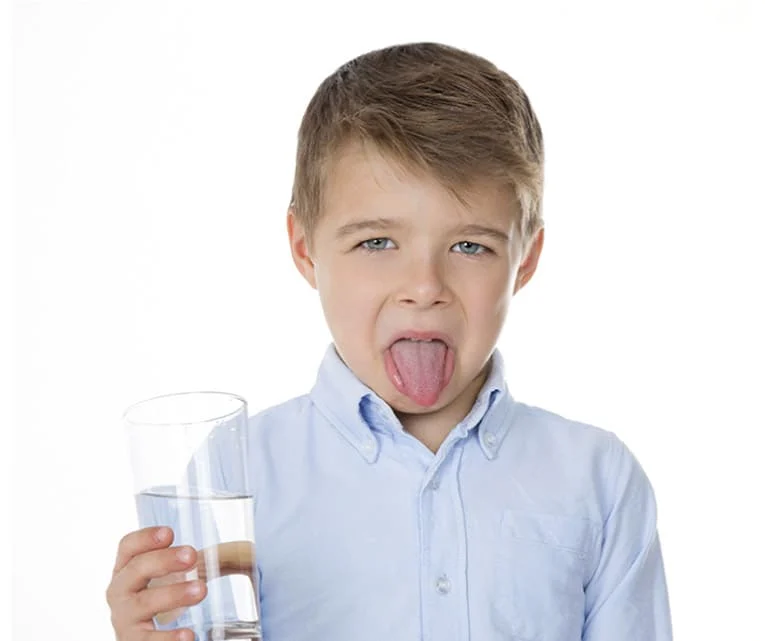
Many Quebecers who get their water from the municipal system sometimes notice a stronger chlorine taste or smell, especially in spring or at certain times of the year. This taste can be surprising, even worrying, but it is the result of a deliberate and essential process: the disinfection of drinking water. Municipalities add chlorine to effectively destroy bacteria and viruses that could end up in the pipes. It is an essential public health measure, and the amount used is strictly regulated by provincial authorities to balance health safety with drinking comfort.
The protective shield of your water system
Chlorine acts as a protective shield in the distribution network. Even after the water has been produced and treated at the municipal plant, it must travel kilometres of pipes before reaching homes. Along the way, microorganisms could get in through a leak, a damaged connection or a pressure change. Maintaining a minimum level of chlorine in the water therefore keeps it safe all the way to your faucet. The problem? This protective residual can sometimes show up as an unpleasant taste or smell, especially when the water temperature rises or demand changes quickly.
Why does the dosage vary?
Several factors can explain why the municipality increases the dosage at certain times. Heavy rain, snowmelt or a combination of heat and stagnation can affect the quality of the raw water drawn from rivers and aquifers. In these conditions, a slightly higher dose of chlorine becomes necessary to guarantee that contaminants are completely neutralized. It is therefore a temporary adjustment, not an anomaly. These changes are often planned, especially during seasonal flushing of the water mains, an operation in which water flow is increased to clean the pipes.
How to get rid of the taste at home
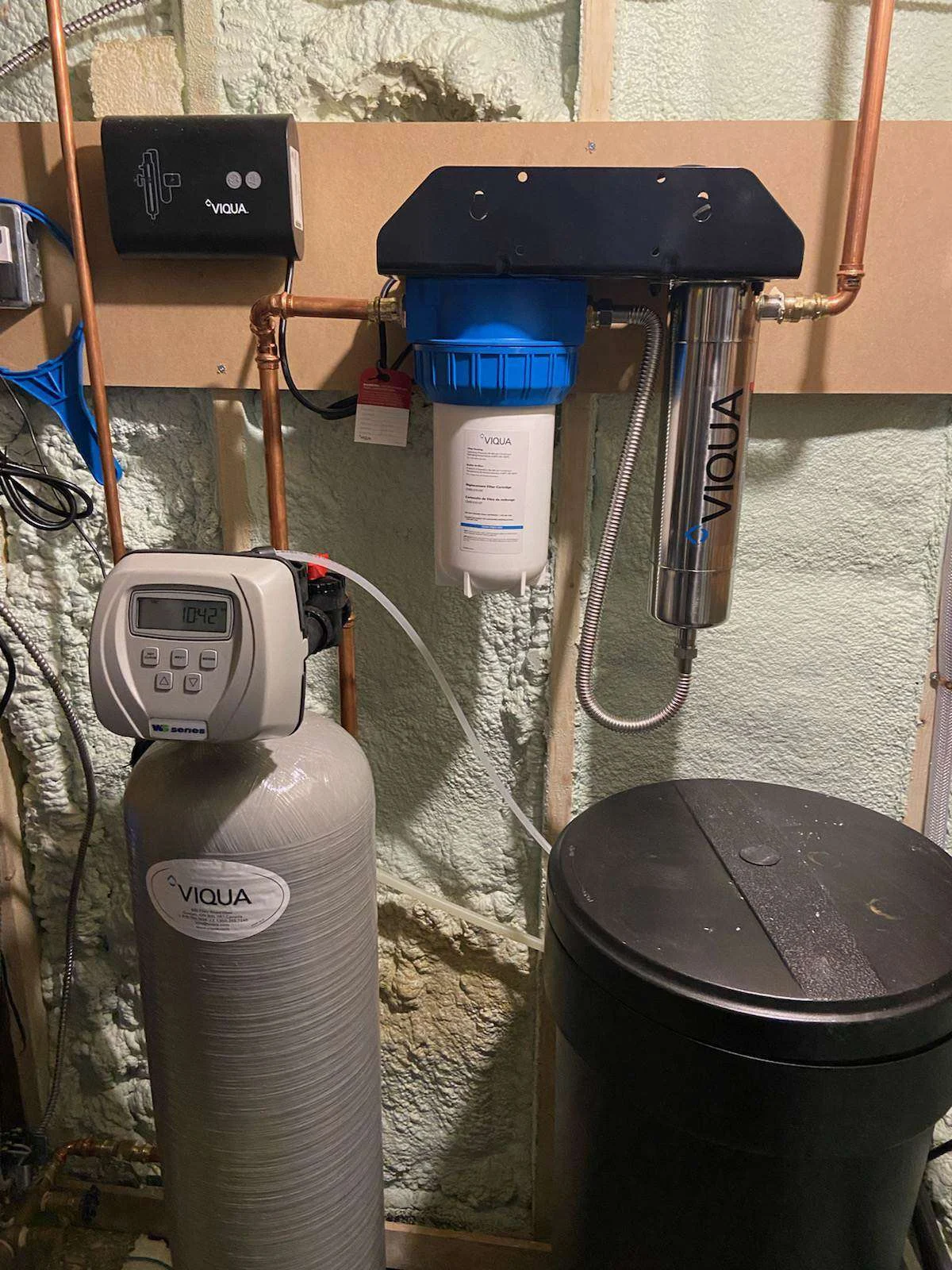
Even though chlorine protects the water, it can affect its taste. Fortunately, there are simple ways to reduce it at home. Leaving a pitcher of tap water in the fridge for a few hours lets the chlorine evaporate naturally. Activated carbon filtration systems are also an effective solution: they neutralize chlorine residuals without compromising microbiological quality. A water treatment professional can help you choose the right equipment for your needs and your home’s setup, whether an under-sink filter, a whole-house filtration system or a pitcher with certified cartridges.
Should a chlorine smell worry you?
A chlorine taste does not mean that your water is unhealthy; on the contrary, it shows that disinfection is working. However, if the taste becomes too strong, lasts longer than usual or comes with a change in colour or an unusual odour, it is a good idea to contact your municipal water department or have your water tested by an independent lab. An occasional excess can sometimes come from a local variation or a reaction with organic matter in the pipes. In any case, a quick check provides reassurance and pinpoints the cause.
The ultimate solution: home filtration
For optimal comfort, more and more homeowners in Quebec are choosing to install a home water treatment system. It combines the best of both worlds: the safety of water disinfected by the municipality and the pure taste provided by your own filtration. At Bricareau, we support homeowners in this process with simple, durable solutions adapted to local conditions. Whether you want to remove the taste of chlorine, improve the clarity of your water or protect your household appliances, a well-chosen system gives you water that is healthy, soft and pleasant to drink, day after day.