




The problem of iron in water
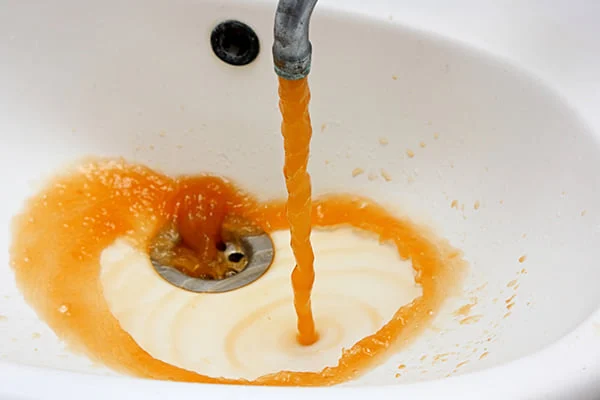
Iron in private well water is a common problem in Quebec, particularly in regions with mineral-rich soil. It often shows up as a yellowish tint, an unpleasant metallic taste and orange-brown stains on dishes, bathroom fixtures and laundry. However, few people know that there are two distinct types of iron in water: ferrous iron (Fe²⁺) and ferric iron (Fe³⁺). This difference is not merely chemical: it directly affects the choice and effectiveness of the filtration system. To get clear, odourless, deposit-free water, it is therefore crucial to understand the distinction between these two forms and adapt the treatment accordingly.
Ferrous iron: invisible but very much there
Ferrous iron, also called “dissolved iron”, is invisible to the naked eye. Because it is completely dissolved in the water, it passes easily through conventional mechanical filters. This type of iron generally only reveals itself after exposure to air: as it oxidizes, it turns into ferric iron and forms the characteristic brownish particles that stain surfaces. Well water can therefore look clear coming out of the tap, then turn cloudy a few minutes later in a glass or a tank. Ferrous iron is often associated with low pH and the reducing conditions typical of deep aquifers.
Ferric iron: visible particles
Ferric iron, on the other hand, is already oxidized. It takes the form of solid particles you can see with the naked eye. This precipitated iron makes the water cloudy, sometimes brownish, and settles easily on surfaces. Unlike ferrous iron, it can be removed more simply by mechanical filtration, using a sediment filter, a catalytic media filter or a specialized system such as Birm or Filox. These solutions effectively capture suspended particles and hold back ferric iron before it reaches the plumbing or household appliances. However, without a proper diagnosis, using the wrong type of filter can prove ineffective and lead to unnecessary costs.
Treating ferrous iron effectively
To treat ferrous iron properly, an oxidation step must be added first. This process converts soluble iron into insoluble iron so that it can be filtered. Oxidation can be done with air, chlorine or hydrogen peroxide, or with a catalytic media such as Greensand or Katalox Light, which speed up the chemical reaction. Once the iron is oxidized, a final mechanical retention filter finishes the job by removing the particles completely. This combination is particularly effective in regions where ferrous iron is present in large quantities, and it delivers clear, deposit-free water while keeping maintenance needs down.
The importance of water testing
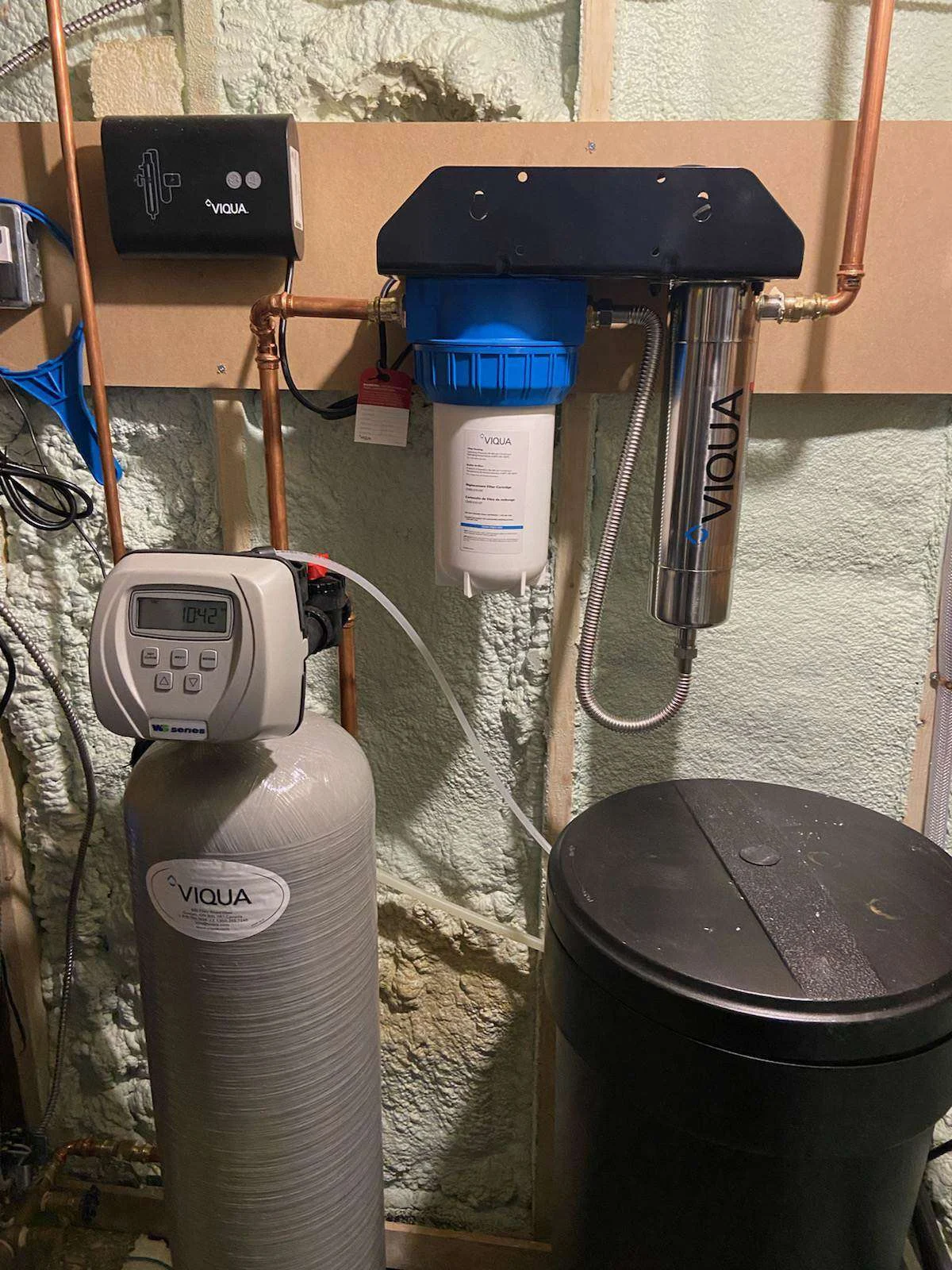
Having your water tested remains the first step before choosing a solution. A lab report reveals not only the total iron concentration but also its chemical state, the pH, the hardness and any manganese or sulphur, which also affect treatment. A water treatment company can then recommend a suitable system: catalytic filter, air oxidation, chlorine treatment, or a combination with a softener if the iron comes with hard minerals. In some cases, an automatic maintenance feature regenerates the filter media at the optimal frequency, extending the system’s effectiveness without constant attention from the homeowner.
A custom solution for your comfort
Ultimately, the difference between ferrous and ferric iron is far from trivial: it determines the type of filtration, the complexity of the installation and the final quality of the water you drink. Misidentifying the type of iron can make your filter completely ineffective, while an accurate diagnosis makes it possible to put in place a custom, high-performing and lasting solution. Investing in the right filtration system protects your plumbing, the performance of your appliances and your family’s comfort. By entrusting testing and installation to water treatment experts, you can count on clear water with no metallic taste and no stains, day after day.