




Nitrates: invisible but dangerous
Nitrates are chemical compounds naturally present in soil, but their concentration in groundwater can rise quickly because of human activity. Agricultural fertilizers, poorly maintained septic systems or seepage of organic matter can contaminate a well. In Quebec, this affects many rural and semi-rural properties. Even if the water looks clear and has no particular taste, nitrates remain invisible to the naked eye. Yet above a certain threshold, they pose a real danger to human and animal health, particularly for infants and pregnant women.
The impact on human health
In the body, nitrates are converted into nitrites, which impair the blood’s ability to carry oxygen. In babies under six months, this can cause methemoglobinemia, commonly known as “blue baby syndrome”, a serious and sometimes fatal condition. In adults, prolonged consumption of contaminated water can cause digestive problems and, over the longer term, increase certain metabolic risks. Beyond health, nitrates can also affect the taste of water and accelerate the growth of algae and microorganisms in distribution systems. That is why private well owners must remain constantly vigilant, especially in agricultural areas where concentrations can fluctuate quickly.
Testing your water: an essential step
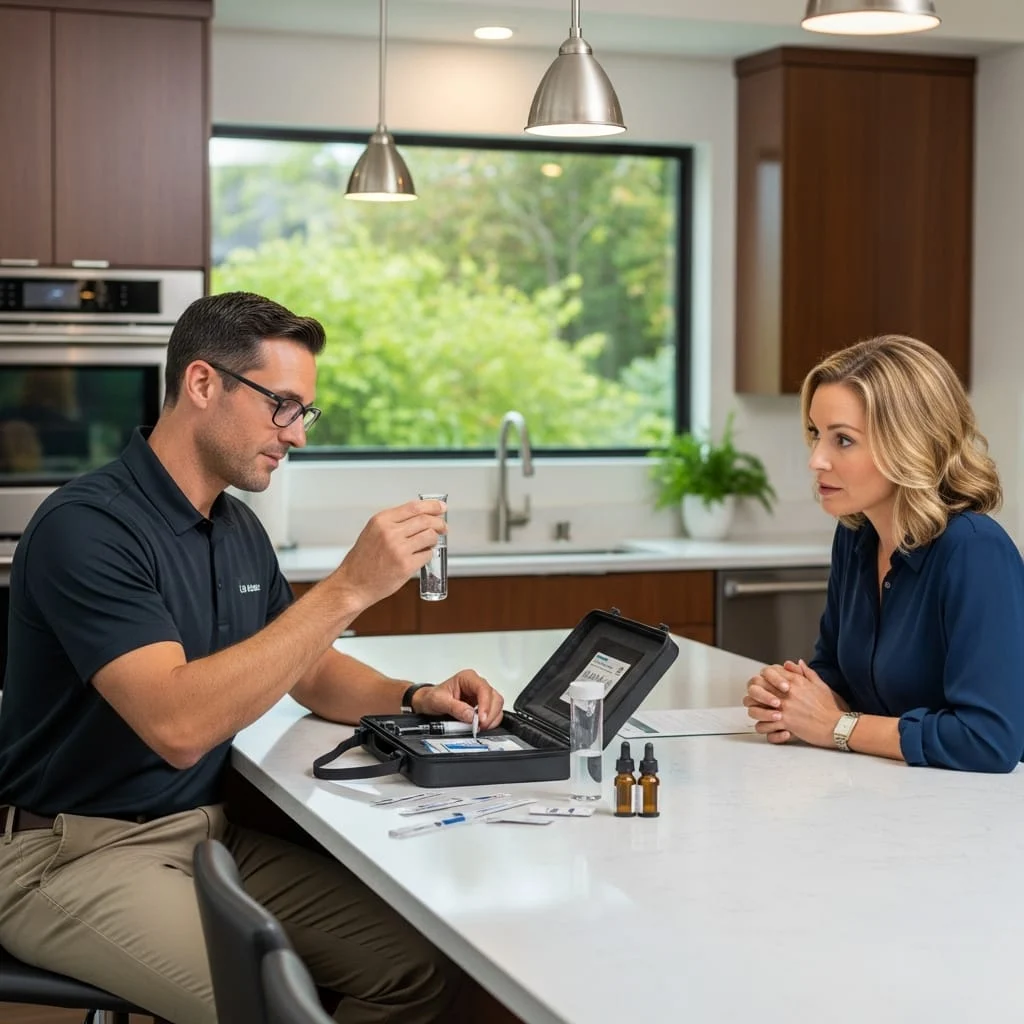
Testing your well water regularly is the surest way to detect nitrates before they become a problem. Quebec public health authorities recommend testing for nitrates at least every two to three years, in addition to the annual bacteria test. However, if your property is near cultivated fields, livestock or a septic system, more frequent testing is prudent. A water treatment professional can take a sample that meets standards and provide a precise report showing the nitrate level. If the results exceed the maximum acceptable concentration of 10 mg/L (as nitrate-nitrogen), you must stop drinking the water immediately and consider corrective measures.
Identifying the source and treating the water
The first step is to identify the cause of the contamination. Sometimes a simple adjustment to the septic system or better management of runoff around the well is enough to reduce seepage. In other cases, appropriate treatment is required. The most effective systems against nitrates are reverse osmosis, ion exchange denitrification or, less commonly, distillation. Reverse osmosis is particularly recommended for homes, as it removes up to 90% of nitrates along with several other contaminants, while improving the overall taste of the water. The unit can be installed directly under the sink or integrated into whole-house filtration, depending on the household’s needs.
Preventing contamination at the source
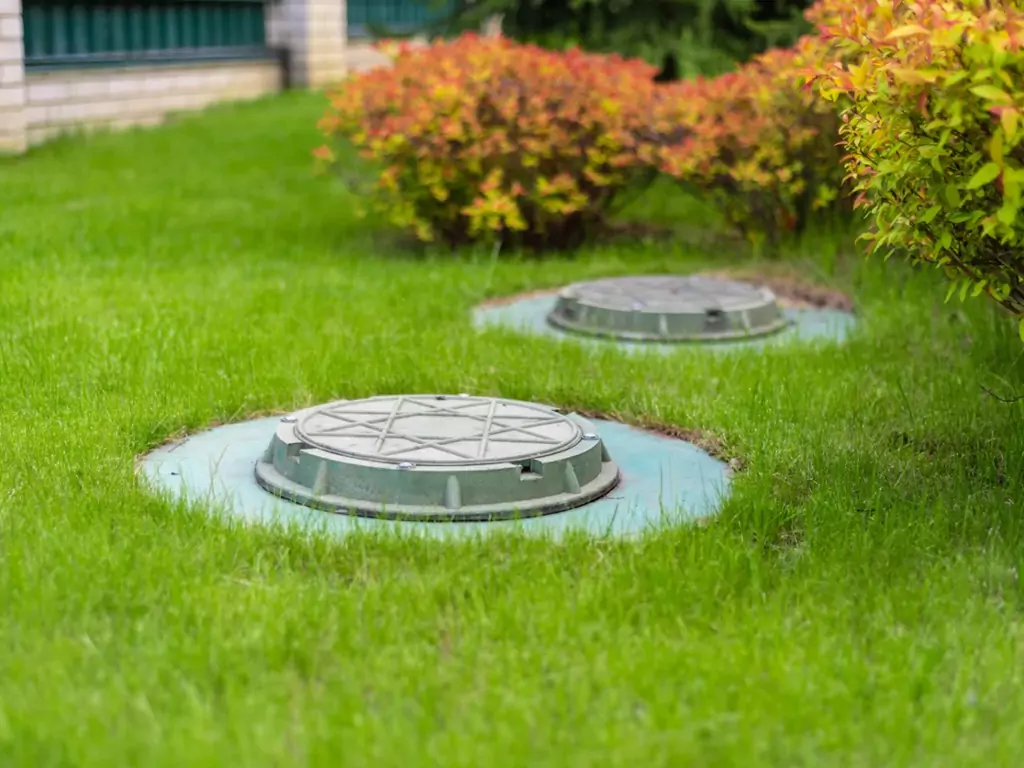
Beyond the immediate fix, it is essential to prevent new contamination. Regularly maintaining the wellhead, checking that it is watertight and keeping a minimum distance of 30 metres between the well and any potential source of pollution are essential habits. The land should be well drained to prevent surface water from pooling. Responsible use of fertilizers and pesticides around the property also goes a long way toward preserving the quality of the aquifer. If in doubt, a water treatment professional can advise you on safe practices to protect your water supply over the long term.
The importance of professional help
Investing in a high-performing treatment system guarantees your family’s health and peace of mind while increasing the value of your property. Pure water is not a luxury, it is a fundamental necessity. By entrusting the testing and treatment of your well to a qualified team, you benefit from complete services, from accurate diagnosis to the installation of certified equipment. Whether your goal is compliance, prevention or simply peace of mind, reliable solutions exist for every situation. Nitrates should never be taken lightly: proactive vigilance and a few simple steps are enough to turn a vulnerable source into clear, safe and healthy water for years to come.