



Hard water: a challenge on the road
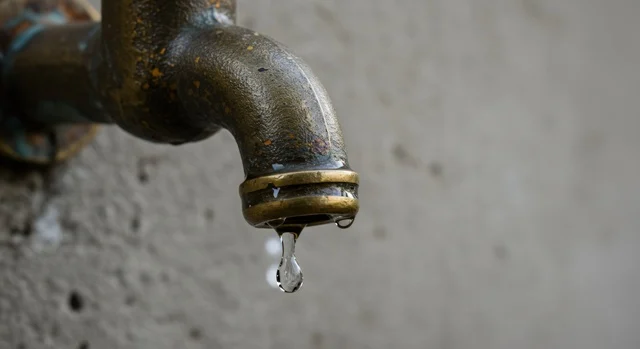
For many Quebecers, travelling in a recreational vehicle or a motorhome means freedom, comfort and a taste for adventure. Yet one often-overlooked detail can quickly spoil the experience: water quality. Water supplied by campgrounds, service stations and some hookups can be hard, full of limescale and sometimes even slightly iron-rich. These minerals build up in the RV’s lines, kettle, water heater and shower, causing deposits, whitish stains and loss of pressure. That is precisely why the portable water softener has become a practical, effective solution, perfectly suited to life on the road.
Simple operation, no electricity needed
Compact, light and easy to install, the portable softener works on the same principle as a residential unit: it replaces the calcium and magnesium ions responsible for water hardness with sodium ions. The difference lies in its size and ease of use. This travel model needs no power supply and connects directly to the RV’s external water source, usually with standard hoses. Within minutes, it delivers softened water to every outlet in the vehicle: faucet, shower, toilet and even a portable washer if there is one. This solution provides not only comfort but also protection for the equipment of the built-in plumbing system.
Real benefits every day
The real benefits of a portable softener on the road are many. First, it extends the life of the water heater, water pump and faucets by preventing scale. It also improves your shower: softer skin, less dry hair and soap that lathers better, even in regions where the water is very hard. Shower, sink and dish surfaces also stay cleaner, without the whitish marks typical of mineral-rich water. Over time, you also save money, since you use less soap, descaler and cleaning products, while avoiding costly repairs to the RV’s lines or water heater.
Minimal maintenance on the road
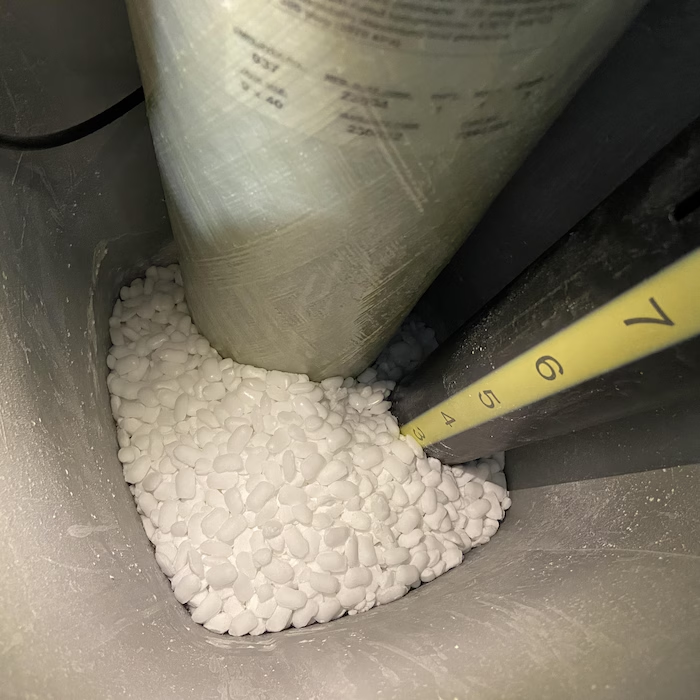
A portable softener requires minimal maintenance, which makes it especially well suited to life on the road. After several cycles of use, a simple regeneration is all it takes: pour a regenerating salt solution into the tank and let water run through for a few minutes. This process restores the resin’s ability to capture minerals. Generally, regeneration is needed after 1,000 to 2,000 litres of treated water, depending on the hardness of the source. Some models even have a visual indicator or an automatic function to make monitoring easier. With a little care and regular salt, the unit can provide several years of reliable service.
Choosing the right model for your RV
To choose the right model, consider the tank size, the water flow rate and compatibility with the vehicle’s fittings. Compact versions are perfect for small RVs or campers with only a few water outlets, while medium-capacity models better meet the needs of larger motorhomes or families. Bricareau offers portable softeners with a rugged design, built to withstand road vibrations and temperature swings. A water treatment professional can help you select the unit best suited to your use and to the water quality you encounter on your usual routes.
Soft water goes wherever you go
Choosing a portable softener for your RV means peace of mind and comfort in every situation. You enjoy water that is more pleasant to use, protect your equipment and keep your plumbing system clean, wherever you are in Quebec or elsewhere in the country. This smart investment quickly pays for itself through the savings and comfort it provides. To set off on your adventures without compromising on water quality, trust a water treatment specialist: they will suggest an effective portable device that is easy to maintain and ready to make your trips even more enjoyable. Soft water is no longer just for home — it now comes with you on the road.