




Salt or salt-free: a strategic choice
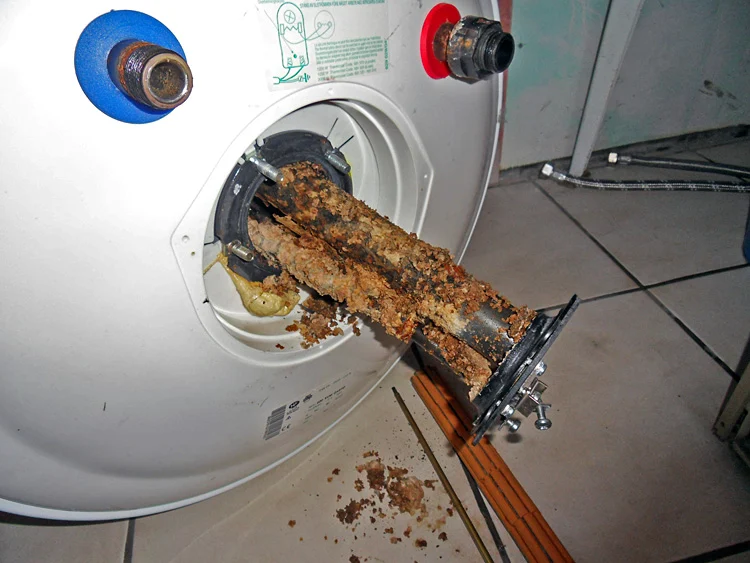
When it comes to choosing a water softener, many Quebec homeowners wonder whether they should go with a salt-based model or a salt-free softener, sometimes marketed as greener and maintenance-free. But beyond the marketing claims, there are fundamental technical differences between these two technologies. Hard water, rich in calcium and magnesium, leaves scale deposits that clog pipes, shorten the lifespan of appliances and increase energy consumption. Choosing the right system therefore depends not only on your preferences, but above all on your real needs and the type of water supplying your home.
The salt-based softener: proven effectiveness
The traditional salt-based softener relies on ion exchange, a method proven over decades. The system replaces the calcium and magnesium ions responsible for hardness with sodium ions (or, less commonly, potassium ions). The softened water no longer contains scale-forming minerals, which effectively protects plumbing and household appliances. This technology is recognized for its effectiveness and reliability: it removes up to 100% of hardness, prevents deposits from forming and improves the overall quality of household water. Its only drawbacks? The salt tank needs to be refilled periodically, and the resin regeneration uses a small amount of water and requires annual maintenance.
The salt-free softener: a different approach
So-called “salt-free” softeners work on an entirely different principle: they do not remove hardness, but change the chemical structure of the minerals in the water. Using template assisted crystallization (TAC) or other physical technologies, the device prevents calcium and magnesium from turning into scale. The water keeps its minerals, but they become non-adhesive: they no longer stick to surfaces or pipes. This type of system is often described as eco-friendly, since it uses no salt, no electricity and no regeneration. However, its performance varies: it does not truly soften the water, it simply limits the visible effects of limescale. In a region like Quebec, where water can be very hard, its effectiveness may be reduced, especially when hardness exceeds certain thresholds.
Comparing upkeep and maintenance
In terms of maintenance, the difference is significant. A traditional softener needs more structured upkeep: hardness adjustment, salt refills, inspection of the brine tank and a resin check once a year. In return, these steps guarantee consistent, measurable performance. Salt-free systems need no salt or regeneration, but their filter or active media must be replaced periodically, often after a few years of use. These devices are also sensitive to the chemical makeup of the water: iron, manganese or sediment can impair their performance. In practice, they are more of a supplementary solution than a full replacement for conventional softening once hardness goes beyond moderate levels.
The environmental dimension
The environmental dimension also comes into play. Salt-free models appeal because they discharge no salty water and are simple to use, but modern salt-based softeners have come a long way. New systems use smart regeneration that automatically adjusts salt and water use to the household’s actual demand, limiting waste. They also extend the lifespan of water heating equipment and reduce the amount of cleaning products needed, which largely offsets their environmental impact. In terms of pure effectiveness, they remain the only technology capable of completely removing water hardness.
Which system should you choose for your home?
In short, a salt-based softener remains the ideal choice for households dealing with hard to very hard water, delivering tangible results and lasting comfort. Salt-free models are better suited to households looking for a low-maintenance solution in areas where hardness is moderate. To make an informed choice, the best approach is to have your water hardness tested by a water treatment professional. They can determine which technology best suits your installation and your priorities, whether economic, environmental or technical. Whichever option you choose, a properly sized and maintained system is a safe investment that protects your home, your comfort and the longevity of your equipment, while providing better-quality water for the whole family.