





A legitimate safety question
The safety of softened water is a question that often comes up among Quebec homeowners who have just installed a water softener or are thinking of buying one. Since several regions of Quebec deal with hard water rich in calcium and magnesium, the water softener has become an effective solution for preventing scale deposits in plumbing and household appliances. However, because it works by replacing these minerals with sodium or potassium, some people wonder whether the water is still drinkable or whether it could pose a health risk. In reality, softened water remains perfectly safe to drink for most people, provided the system is well maintained and the raw water meets quality standards before treatment.
Ion exchange and sodium intake
The softening process relies on an ion exchange reaction: the calcium and magnesium ions responsible for water hardness are replaced with sodium ions (or sometimes potassium ions). This substitution produces softer, scale-free water that is gentler on skin, dishes and appliances. The added sodium does not come directly from the salt in the tank, but from an exchange controlled by the unit’s resin. The amount added depends on the initial hardness: the harder the water, the more the sodium concentration in the softened water may rise slightly. However, this level remains low: on average, 20 gpg hard water treated by a softener contains about 40 mg of sodium per litre, less than a glass of milk or a single slice of bread.
Is it a health risk?
For a healthy person, this amount of sodium is negligible. However, people on a strict low-sodium diet — particularly those with high blood pressure or heart failure — may prefer to avoid drinking softened water. Several alternatives exist: you can install a bypass that supplies only the kitchen faucet with unsoftened water, or use a reverse osmosis system to remove sodium from the water used for drinking and cooking. This approach lets you enjoy the benefits of soft water throughout the house while keeping salt-free water for consumption. A softener that uses potassium instead of sodium is another option, although this type of salt is generally more expensive.
The importance of thorough maintenance
The safety of softened water also depends on how well the system is maintained. Regular regeneration, an annual cleaning of the brine tank and an inspection of the control valve ensure consistent performance and healthy water. A poorly maintained unit can become a breeding ground for bacteria, like any water equipment. That is why it is strongly recommended to have your softener checked by a qualified technician at least once a year. In addition, only high-purity salt should be used; low-grade salt containing impurities can foul the resin and affect water quality.
Taste and drinking water alternatives
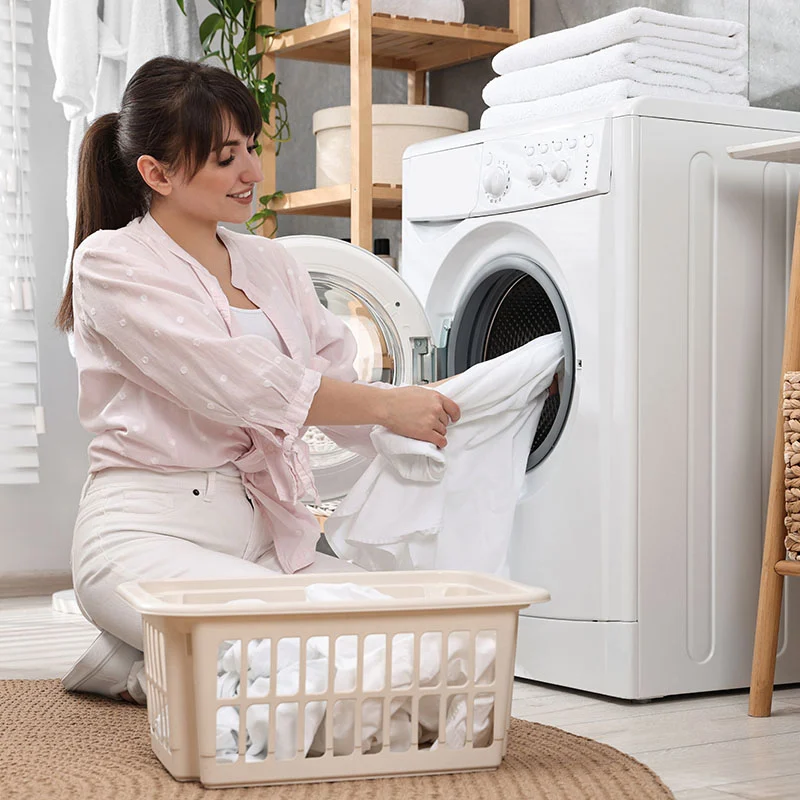
In terms of taste, some users notice a subtle difference due to the sodium, especially in regions where well water is very hard. However, this difference is minimal and often disappears after a few days of use. Those who prefer more neutral-tasting water can add a small carbon filter at the faucet, which improves the clarity and flavour of the water. The other major advantage of softened water is that it considerably extends the lifespan of water heaters, dishwashers, washing machines and other appliances, while reducing soap and energy use — an everyday comfort that far outweighs the small amount of added sodium.
A safe investment for your home
In short, drinking softened water is perfectly safe for most Quebec households. The secret lies in thorough maintenance and a system suited to your needs. If you have health or taste concerns, a water treatment expert can assess your situation and recommend the best solution, whether a traditional softener, a potassium-based system or additional filtration. Investing in the quality of your water means investing in your long-term comfort and well-being. Well-managed soft water is not only more pleasant to use — it also means safety, performance and everyday peace of mind.