


Limescale: a hidden cost on your bill
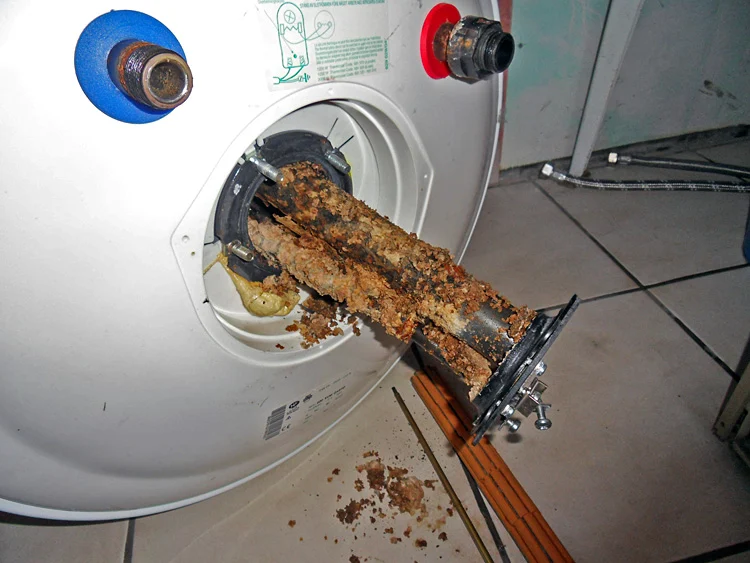
Many Quebec homeowners still don’t realize that a water softener does more than make their water more pleasant to use: it is also a genuine energy investment. Hard water, loaded with calcium and magnesium, leaves scale deposits in pipes, water heaters, heating elements and appliances. This scale acts as an insulating barrier: it prevents heat from transferring efficiently and forces appliances to run longer to get the same result. Just one millimetre of scale on a heating element can cause up to a 10% loss in energy efficiency, which, over time, adds considerably to your electricity bill. Installing a water softener therefore becomes a logical choice, combining comfort and savings.
The water heater: up to 25% in savings
One of the first effects of soft water is felt in the water heater, which often accounts for a large share of household energy use. In a unit supplied with hard water, deposits build up on the element and in the tank, slowing the rise in temperature and requiring more electricity to produce the same amount of hot water. By eliminating these deposits, the softener keeps the heating surface clean and efficient, allowing heat to transfer optimally. The result: water heats faster, using less energy. According to industry studies, a water heater supplied with softened water can use up to 25% less electricity over a year, a significant reduction that shows up directly on your bills.
Appliances: shorter cycles
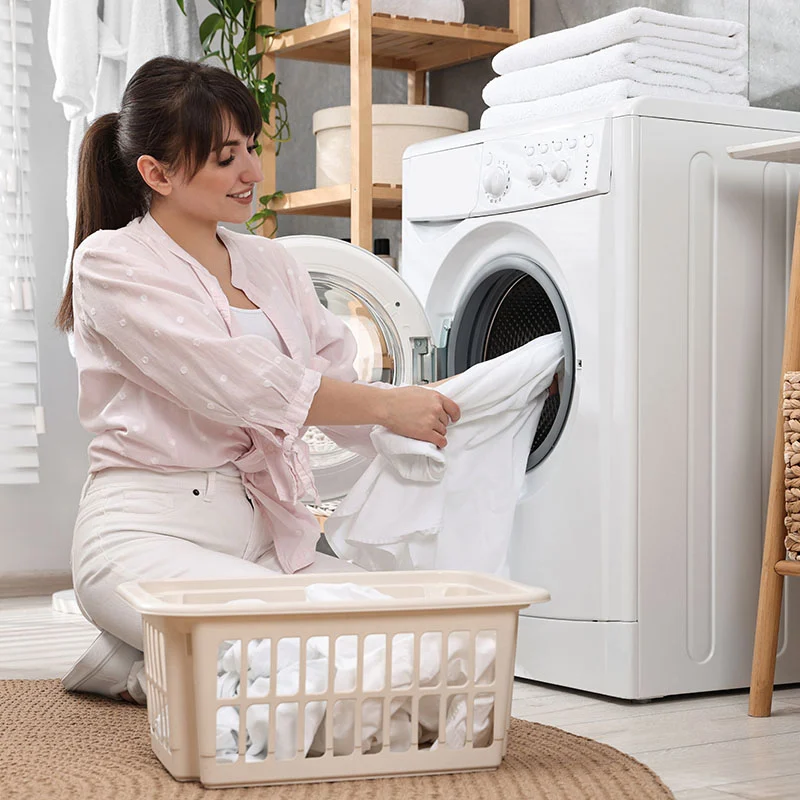
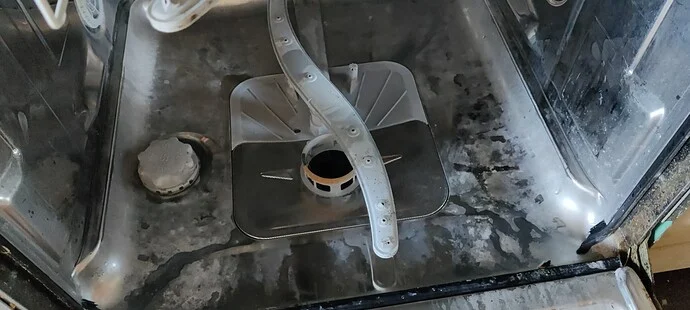
The energy gains don’t stop there. Hard water also reduces the efficiency of appliances that use hot water: dishwashers, washing machines, kettles and coffee makers. Mineral deposits on heating elements slow them down and force appliances to compensate by lengthening wash or rinse cycles. Softened water, on the other hand, flows freely, heats faster and requires less detergent. Shorter cycles and fewer cleaning products not only save energy, but also reduce mechanical wear on the appliances. Fewer breakdowns, less maintenance and a longer lifespan: economic benefits that add up over the years.
Home heating: optimal efficiency
Your home heating system also benefits greatly from softened water. In homes with radiant floor heating or a boiler, limescale settles in heat exchangers and pipes, reducing heat transfer. The system then has to work harder to maintain the desired temperature. With scale-free water, heat circulates more efficiently, energy performance remains stable and consumption naturally decreases. This improved efficiency provides consistent comfort while reducing the strain on equipment. With energy costs constantly rising, this added efficiency translates into tangible, lasting savings.
Indirect savings every day
Another often-overlooked advantage of a softener is the indirect savings it generates. Soft water extends the life of your installations: water heaters, faucets, pipes and boilers need less maintenance and fewer premature replacements. This avoids costly repairs and reduces the environmental footprint of producing and disposing of worn-out equipment. Soft water also requires less soap, shampoo and detergent, because these products lather and clean better without limescale. Using fewer products also means less hot water for rinsing and less wastewater, which lightens your bills while benefiting the environment.
A strategic, lasting investment
In short, installing a water softener is much more than a household comfort: it is an energy efficiency strategy. By preventing scale buildup, the unit optimizes the performance of your entire water system and measurably reduces your electricity needs. Modern, economical and smart models automatically adjust regeneration to actual water use, minimizing salt and water consumption. For an average Quebec household, these benefits add up to several hundred dollars in savings per year, while bringing durability and peace of mind to the home. By calling on a water treatment professional, you get a turnkey service and a custom setting, turning your water use into a real lever for energy savings and lasting comfort.