




A comfort that raises questions
The water softener has become an essential ally for many Quebec households looking to fight the harmful effects of hard water. However, one question comes up often: is this device really eco-friendly? In other words, do the benefits in comfort, maintenance and the longevity of your installations outweigh the environmental impact of using it? To answer this question, you need to understand that it all depends on the model, its maintenance, its programming and how it fits into your consumption habits. A softener that is properly set and suited to your needs can, on the contrary, contribute to more sustainable management of water and energy in your home.
Controlled water consumption
Contrary to some common beliefs, a water softener does not significantly increase overall water consumption. Modern models use on average between 3% and 5% of the volume of treated water for regeneration, a cleaning cycle needed for the resin to work properly. This process also uses a small amount of salt, but it only takes place when the resin is saturated with minerals. Recent so-called “smart” systems automatically adjust regeneration to the actual hardness of the water and the volume used, avoiding unnecessary cycles. This precise management reduces water, salt and energy use while ensuring effective treatment.
Energy efficiency serving the environment
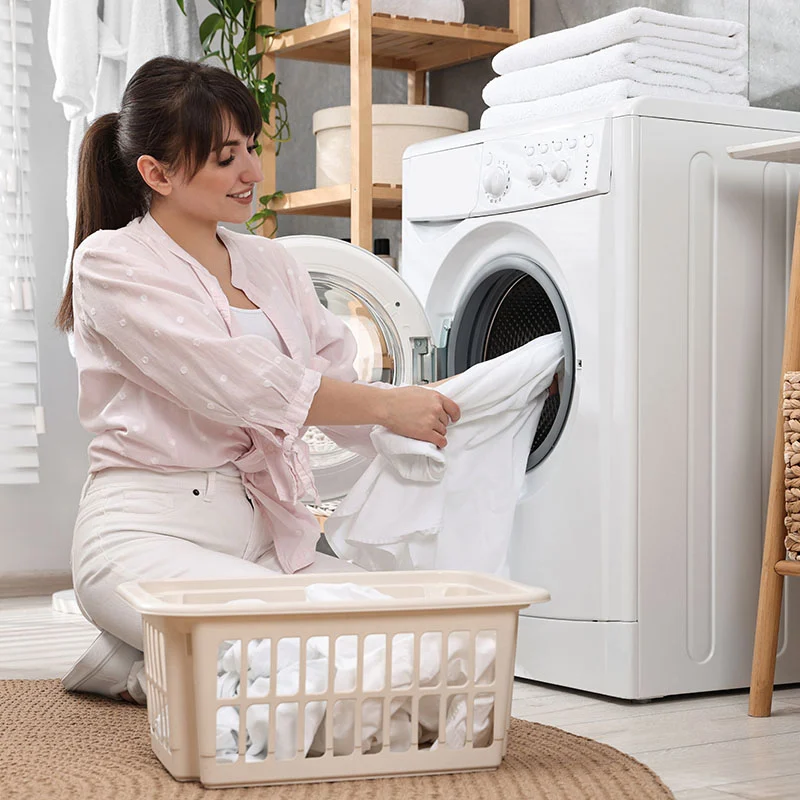
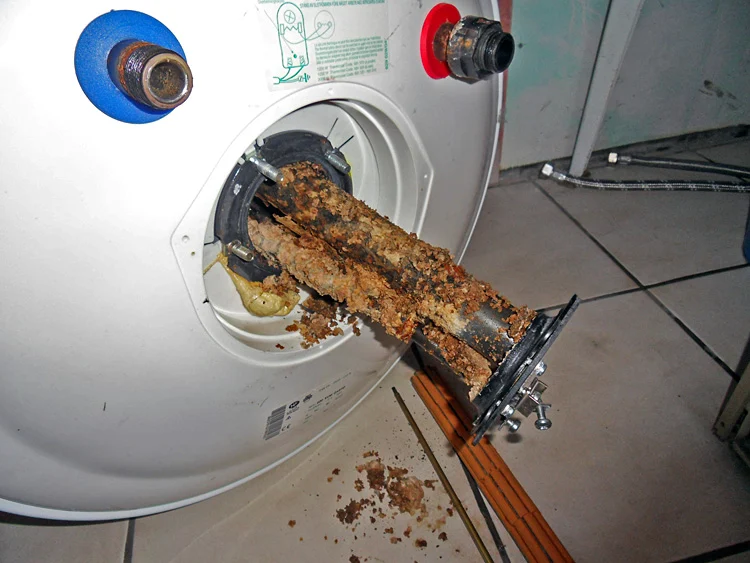
From an environmental standpoint, the softener has an often-overlooked indirect effect: it improves the energy efficiency of household and heating appliances. Without limescale in pipes and heat exchangers, the water heater, washing machine and dishwasher can run at peak efficiency. A water heater clogged with one millimetre of scale uses up to 10% more energy to heat the same amount of water. By reducing deposits, a softener therefore helps lower a household’s electricity consumption while extending the lifespan of equipment. Less maintenance, fewer appliance replacements and less detergent: three positives for the environment.
Salt and discharge: a controlled impact
A softener’s environmental impact also depends on the type of salt chosen and how regeneration residues are managed. Using high-purity salt limits solid waste and avoids introducing impurities into the drainage system. In addition, recent units are designed to discharge a minimal volume of brine and to meet the environmental standards in force in Quebec. In some municipalities, pretreatment or rinse water recycling systems are even available to further reduce discharge. Many manufacturers are also developing salt-free or hybrid softeners, which use other physical means to neutralize the minerals responsible for hardness.
Fewer chemicals every day
From a sustainability perspective, the environmental benefits of a softener also include fewer chemicals needed to keep the house clean. Soft water requires less soap, shampoo and household cleaners. Bathroom surfaces stay clean longer, windows no longer need constant descaling, and clothes stay supple without synthetic fabric softener. These small daily habits, multiplied across a household, considerably reduce the environmental burden of cleaning and laundry. In short, softened water simplifies everyday life while encouraging a more sensible use of resources.
A sustainable, responsible choice
When it is well chosen, properly set and maintained, a water softener can fit harmoniously into an eco-friendly approach. Modern systems deliver softer water without excessive consumption, while saving energy and cleaning products. The secret lies in installation by a qualified professional: they will test the actual hardness of your water, configure the unit optimally and ensure regular maintenance. Rather than pitting comfort against ecology, the modern softener brings them together in a single sustainable approach. It is a smart choice for Quebec households that want to combine well-being, efficiency and respect for the environment.